The PC vs console vs mobile gaming question comes up every time someone is about to spend serious money on a new setup. There is no single winner. Each platform is good at different things, and the right choice depends on your budget, the games you love and where you like to play.
In this guide we compare the three on cost of entry, game library, performance, online subscriptions, upgrades and portability. We have kept prices out on purpose, because they change often in India – always check the official store or a trusted retailer before you buy.
PC vs console vs mobile gaming at a glance
| Factor | PC | Console | Mobile |
|---|---|---|---|
| Cost of entry | Highest for a good gaming PC; you can start with a modest build and improve later | Mid-range one-time cost for the console, plus games | Lowest if you already own a decent phone |
| Game library | Huge – Steam, Epic Games Store, official launchers, many free-to-play games | Strong exclusives and big releases; curated store | Very large, mostly free-to-play with in-app purchases |
| Performance | Scales with hardware; can reach very high frame rates and resolutions | Consistent and optimised for one fixed hardware | Depends heavily on the phone’s chip and cooling |
| Online play fee | No platform fee for online play on Steam or Epic | Paid membership needed for most paid games online | No platform fee |
| Upgrades | Change parts one by one (GPU, RAM, storage) | Fixed hardware until the next generation | Replace the whole phone |
| Portability | Desktop stays at home; gaming laptops are heavy | Home console stays at home; handhelds travel | Best – it is always in your pocket |
| Best for | Enthusiasts, competitive shooters, players who want variety, creators | Couch gaming, exclusives, plug-and-play | Casual and social play, students, travellers |
Cost of entry
Mobile is the cheapest way in because most people already own a smartphone. A mid-range phone can run popular titles comfortably at medium settings.
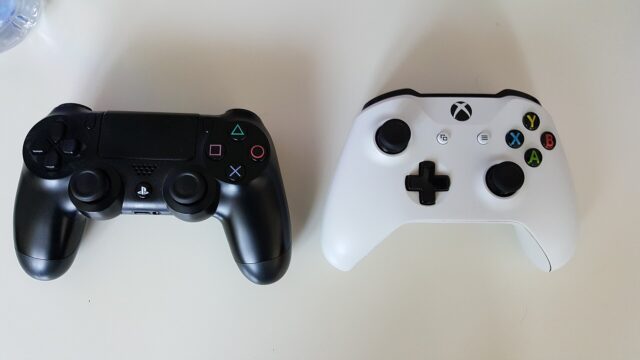
A console is a single purchase that works out of the box. You pay for the console, a controller and games, and later perhaps a membership for online play.
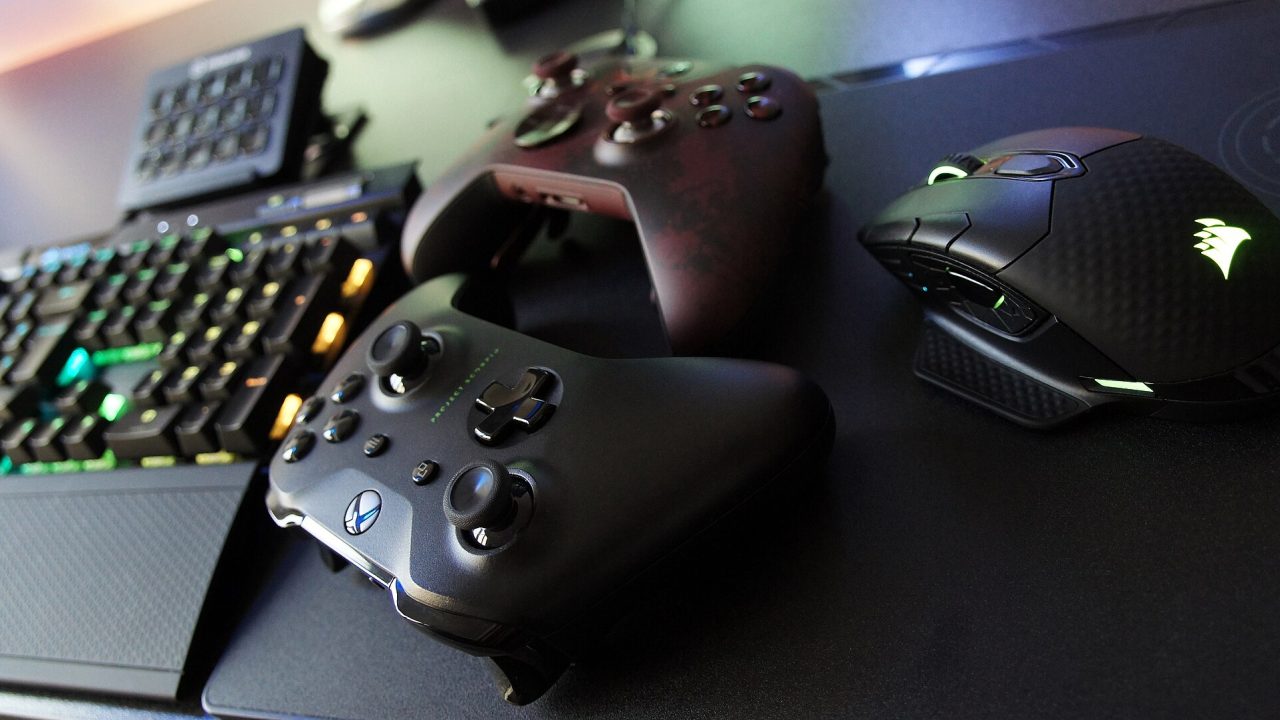
A gaming PC usually costs the most up front, because the graphics card, processor, monitor, keyboard and mouse all add up. The upside is flexibility: you can start small and improve the build step by step.
Pro tip: Before buying any platform, list the 3–5 games you really want to play. If they are not available on a platform, that platform is not for you, however good the deal looks.
Game library
PCs have the widest choice. Steam, the Epic Games Store and publishers’ own launchers carry thousands of games, from big releases to small indie titles, and older games often stay playable for years.
Consoles are known for exclusives – games made by the platform owner’s own studios that appear first, or only, on that console. If a particular series is the reason you game, check which platform it lives on.
Mobile has a massive library on Google Play and the App Store. Most top mobile games are free-to-play, earning money from optional in-app purchases, battle passes and cosmetics.
Performance and graphics
A powerful PC can push high resolutions and high frame rates, which matters in fast shooters. But performance is only as good as your parts, and a weaker PC may need lower settings.
Consoles give consistent performance because every unit has the same hardware. Developers tune their games for that hardware, so you rarely need to touch settings.
On mobile, results depend on the chip, RAM and how well the phone handles heat. Long sessions can cause thermal throttling, where the phone slows itself down to cool off.
Online subscriptions: what you actually need
This is where the platforms differ most, so here are the basics as listed on official pages at the time of writing. Plans and benefits change, so always check before you subscribe.
PlayStation Plus
According to the official PlayStation Plus page for India, there are three tiers – Essential, Extra and Deluxe – and online multiplayer is included with all of them. You need a membership to play most purchased games online, but most free-to-play games such as Fortnite and Apex Legends do not need one.
Xbox Game Pass
The Xbox Game Pass page lists Essential, Premium and Ultimate plans with online console multiplayer and a game library, plus a separate PC plan. Since April 2021, free-to-play games on Xbox can be played online without a paid subscription.
Nintendo Switch Online
On Nintendo consoles, Nintendo Switch Online is required for online features in compatible games. It also includes classic NES, Super NES and Game Boy titles and cloud saves, with an Expansion Pack tier adding more classics. At the time of writing, Nintendo does not officially sell its consoles in India, so units here usually come through importers – check warranty and support before buying.
PC and mobile
On PC, Steam and the Epic Games Store do not charge a separate fee to play online – you just buy the game (or download a free one). Mobile works the same way. Subscriptions like PC Game Pass are optional extras for getting a library, not a requirement for online play.
Pro tip: If you mainly play free-to-play games like Fortnite or Apex Legends, you can play them online on PlayStation and Xbox without a paid membership.
Upgrades and lifespan
A PC is the only platform you can improve piece by piece. Add RAM, swap the graphics card or fit a faster SSD, and the same machine keeps up for years.
Console hardware is fixed. It stays the same until the next generation, but games are designed for it, so it ages gracefully. Storage expansion is usually the only upgrade.
A phone cannot be upgraded. When new games feel slow, the only fix is a new phone.
Portability
Mobile wins easily – your games travel with you. Handheld consoles and handheld gaming PCs come next, and gaming laptops are portable but heavy and need charging often. A desktop PC or home console is best for a fixed spot at home.
Who should pick which?
- Choose PC if you want the widest game library, the best possible performance, upgrades over time, and you also use the machine for work, study or video editing.
- Choose a console if you want plug-and-play gaming on a big TV, love the exclusive series, and prefer not to fiddle with settings or drivers.
- Choose mobile if your budget is tight, you play in short sessions, or you mostly game with friends in popular free-to-play titles.
Many players end up using two platforms – for example, a phone for quick matches on the go and a console or PC for longer sessions at home. Crossplay in many popular games makes this easier than ever.
Pro tip: Whatever you choose, buy games only from official stores like Steam, Epic, PlayStation Store, Microsoft Store, Google Play or the App Store. It keeps your account and device safe.
Final thoughts
PC gives you power and flexibility, consoles give you simplicity and exclusives, and mobile gives you freedom and the lowest cost. Match the platform to your games, your budget and your habits, and you will not regret the choice.
Read also: BGMI Beginner Guide: Landing, Loot, Zone and Settings Explained · How to Reduce Lag in Mobile Games: Fix High Ping and Frame Drops
Frequently asked questions
Is PC gaming cheaper than console gaming in the long run?
It can be. A PC costs more up front, but there is no platform fee for online play and games often go on sale. A console is cheaper to start with, but online play for most paid games needs a membership.
Do I need PlayStation Plus to play online?
For most purchased games, yes. According to PlayStation, most free-to-play games such as Fortnite and Apex Legends do not need a membership for online play.
Do I need Xbox Game Pass to play free-to-play games online?
No. Since April 2021, free-to-play games on Xbox can be played online without a paid subscription.
Is mobile gaming good enough for serious players?
For many popular competitive games, yes – mobile has its own big esports scene. A phone with a good chip, enough RAM and decent cooling makes a clear difference.